

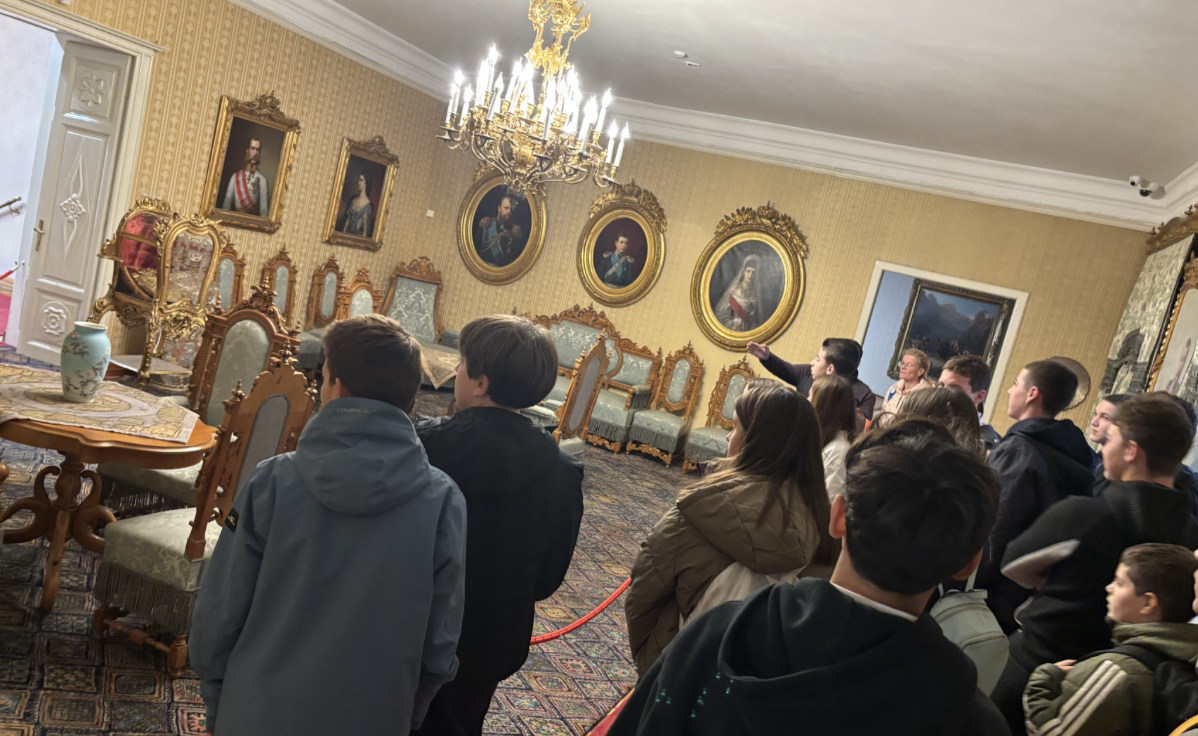
To mark Njegoš Day, students from the MYP and DP programmes who attend MNE A and Serbian Literature classes visited Cetinje, a city rich in history and culture, inextricably linked to the life and work of Petar II Petrović Njegoš.
During their visit, the students explored the National Museum of Montenegro and Biljarda, where they had the opportunity to learn about numerous historical events and discover important details about Njegoš’s life, literary work, and the period in which he lived. Through discussions with their guide, the students actively participated in the tour, answered questions about the history and culture of Montenegro, demonstrated the knowledge they had acquired in class, and gained valuable new insights and knowledge.
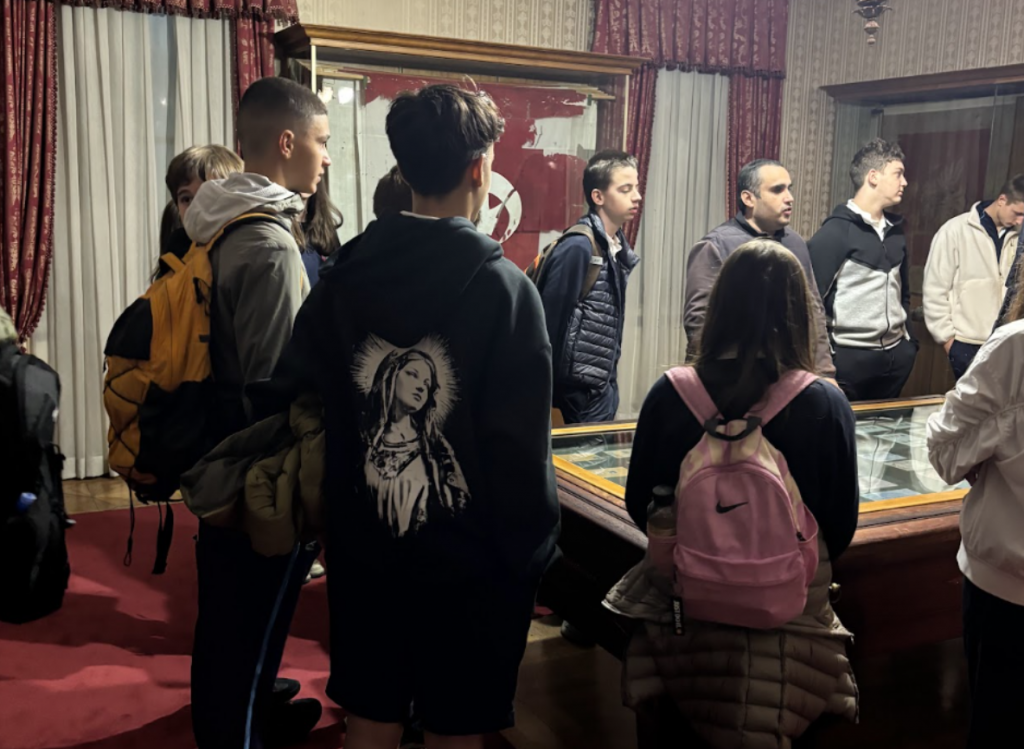
The visit provided an opportunity for students to broaden their knowledge beyond the classroom and experience first-hand an important part of Montenegro’s cultural and historical heritage. Of particular significance was the opportunity to gain a deeper understanding of Njegoš’s era through authentic historical settings and artefacts, and to better appreciate his role in shaping Montenegro’s spiritual heritage, literature, and cultural identity.
Petar II Petrović Njegoš holds a special place in the history and culture of Montenegro. His literary works, particularly The Mountain Wreath (Gorski vijenac), transcend the boundaries of literature and represent one of the most significant works of Montenegro’s cultural heritage. Through his writing, Njegoš left a profound mark on the language, literature, and collective memory of the Montenegrin people, contributing to the preservation and shaping of their cultural identity. His works continue to inspire reflection on freedom, honour, solidarity, responsibility, and human dignity.
Marking Njegoš Day in this way enabled students to connect the knowledge with first-hand experience, become more familiar with the cultural heritage of the country in which they live, and develop a greater awareness of the importance of preserving and respecting it.
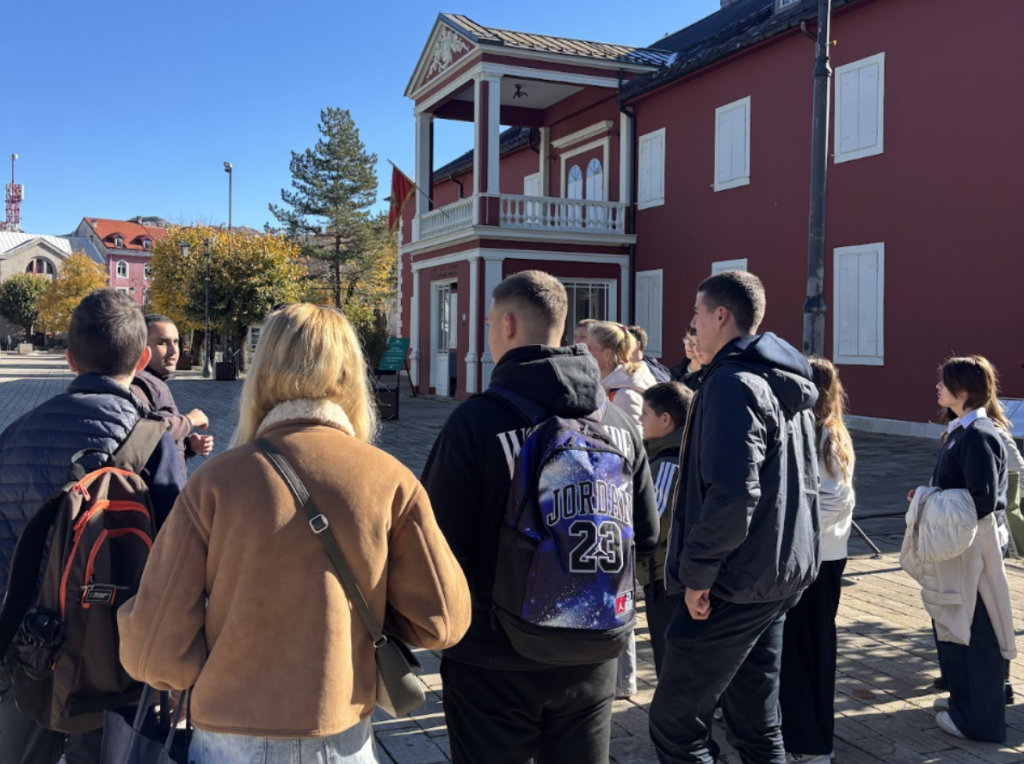
The trip to Cetinje was much more than a visit to museums – it was an encounter with history, literature, and a heritage that continues to play an important role in understanding Montenegrin culture and identity.