
The Collaborative Science Project (CSP) provided students from different scientific disciplines with the opportunity to collaborate on developing solutions to real-world issues. This year, the CSP was integrated with Discovery Week for the Year 12 cohort, allowing students to take part in a range of activities that fostered genuine curiosity and interest within a real-world context. The project aligned with the UN Sustainable Development Goals (SDGs), and this year’s focus was on Goal 3: “Good Health & Wellbeing.”
Day 1 – Emergency Care
Today marked the first day of my First Aid CSP project at a small first aid office in Tivat, Montenegro. The experience was both exciting and eye-opening, as the class were immediately immersed in the practical aspects of first aid and emergency response. We observed how the staff managed patient intake, assessed injuries, and applied basic first aid procedures, which gave us a clearer understanding of how critical timely intervention is in everyday medical situations.
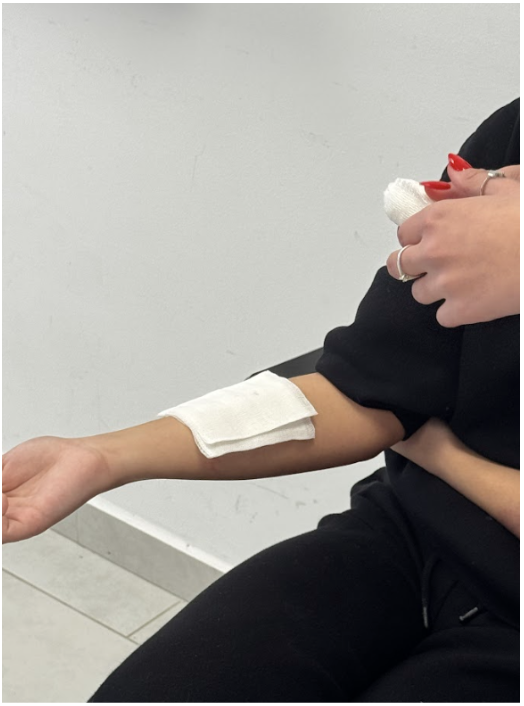
The image below illustrates one such intervention, an example of an open wound, and how such a wound should be treated by disinfecting and covering it.
One aspect that stood out was the emphasis on preparedness and organization. Even in a small office setting, every tool and procedure had its place, highlighting the importance of efficiency and attention to detail in healthcare. Clear communication, both among staff and with patients, is essential in ensuring that treatment is delivered safely and effectively.
“Personally, I found the experience humbling. It made me aware of the responsibility and composure required when assisting people in urgent situations. While I was mainly observing today, I felt motivated to actively contribute in the coming days, learning both practical skills and the ethical considerations involved in first aid.” Overall, Day one was an insightful introduction to the field that reinforced our commitment to making a positive impact through this CSP project.
Day 2 – Mind & Body
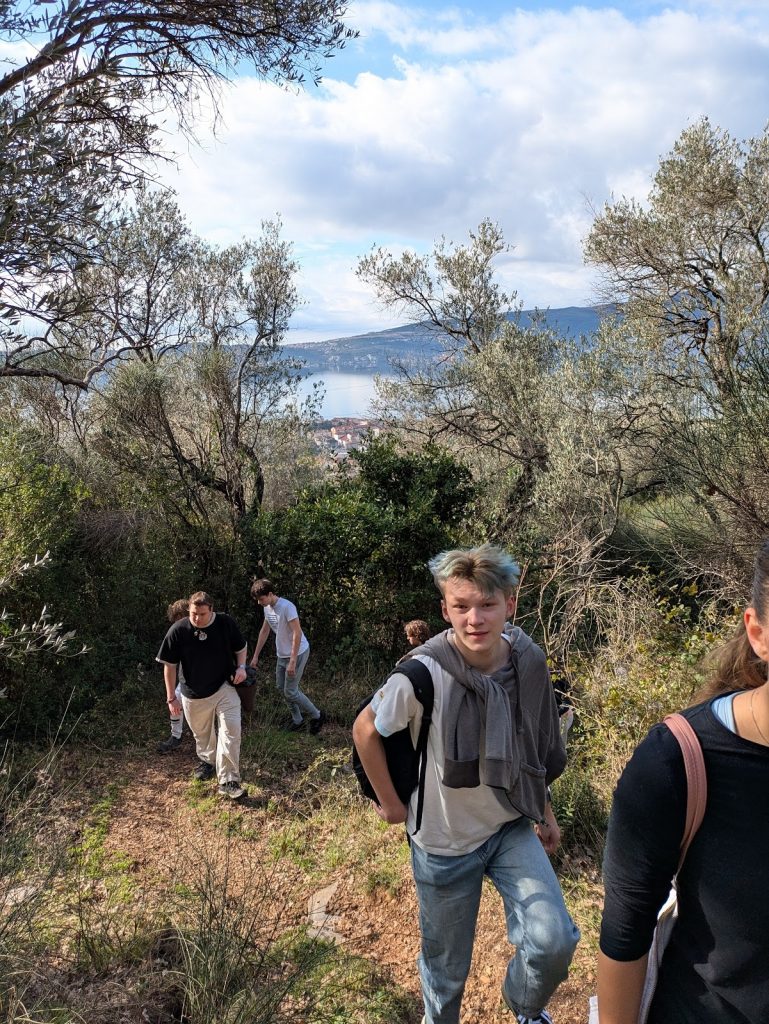
The team analyzed how exercise and nature access and mental health interact during their mountain trek which lasted seven kilometers through Boka mountains until they reached Siro for their guided meditation session. The outdoor activity which seemed simple to observe turned out to demonstrate health science principles through its execution.
The hike caused our bodies to increase heart rate and breathing rate as they delivered oxygen to all active muscles. The body responded with enhanced cardiovascular function because it activated the aerobic energy pathway which uses glucose and fat to produce ATP during extended exercise. The irregular terrain from the hike forced us to test our endurance levels together with our coordination and balance abilities.
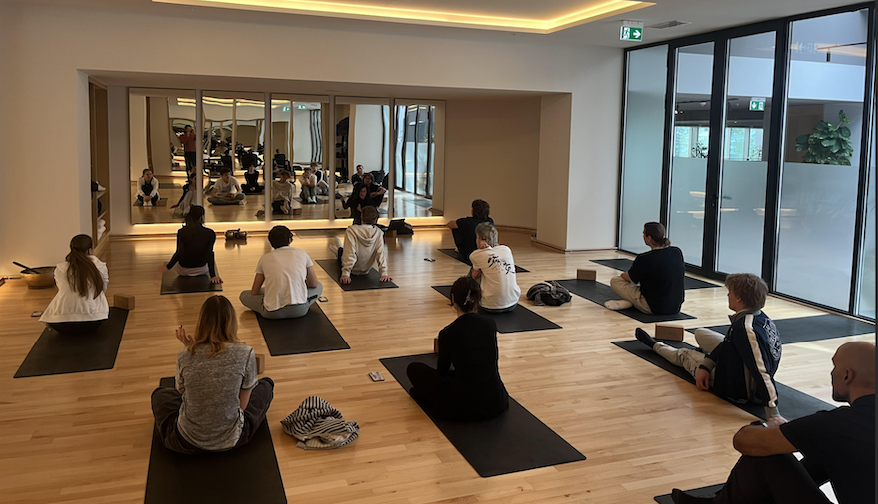
Nature exposure provides an additional benefit which helps people maintain their mental well-being. Spending time outdoors offered us dual benefits which improved both our physical condition and our mental state. Outdoor activities helped us reduce our stress levels. The Siro meditation session helped us achieve better control of our breathing while it taught us to concentrate better. We could certainly feel this.
The day served as an important demonstration of SDG 3: Good Health & Wellbeing. We discovered that achieving health requires more than just disease prevention because it also demands body and mind improvements.
Day 3 – Fitness & Exercise
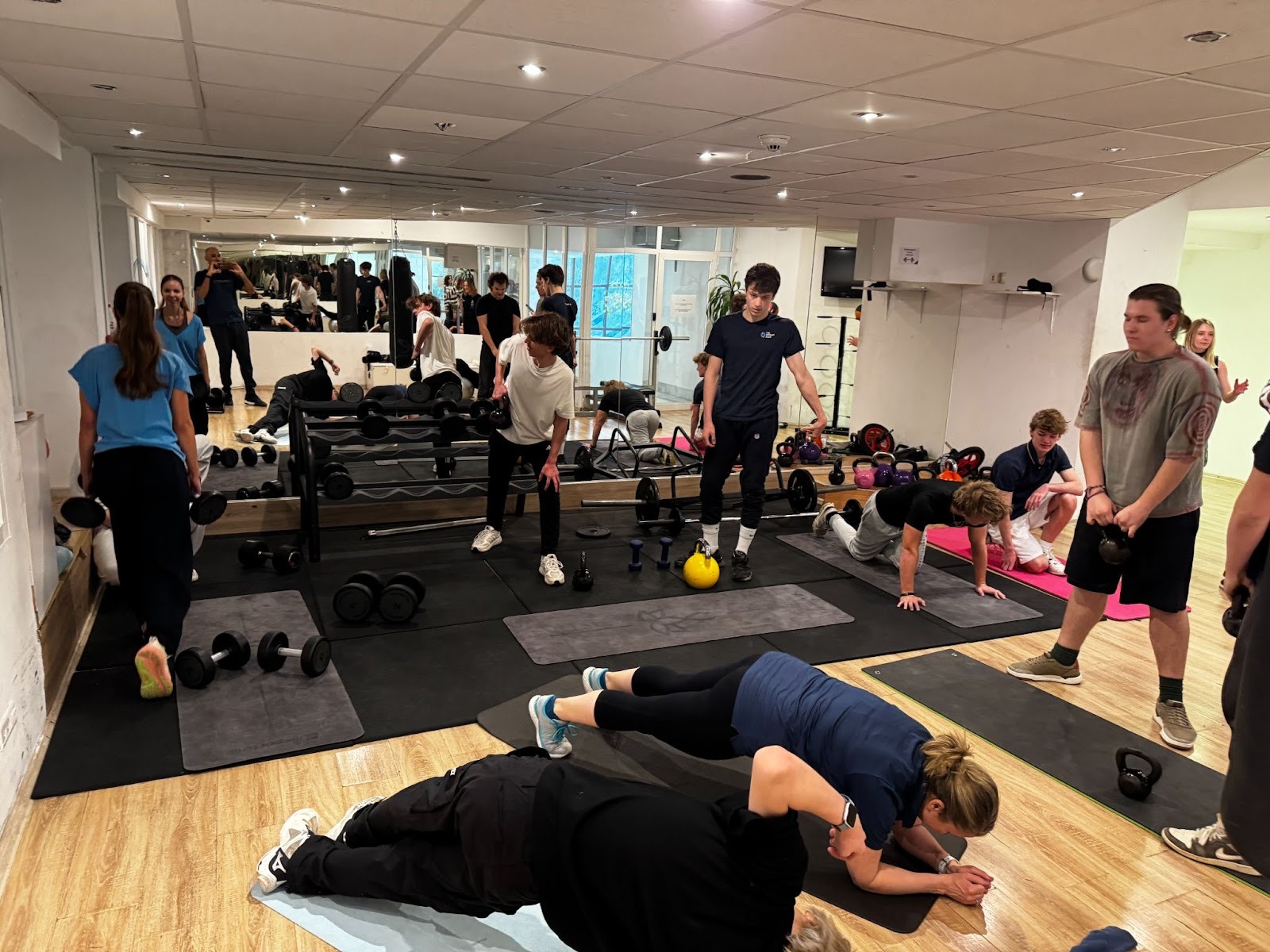
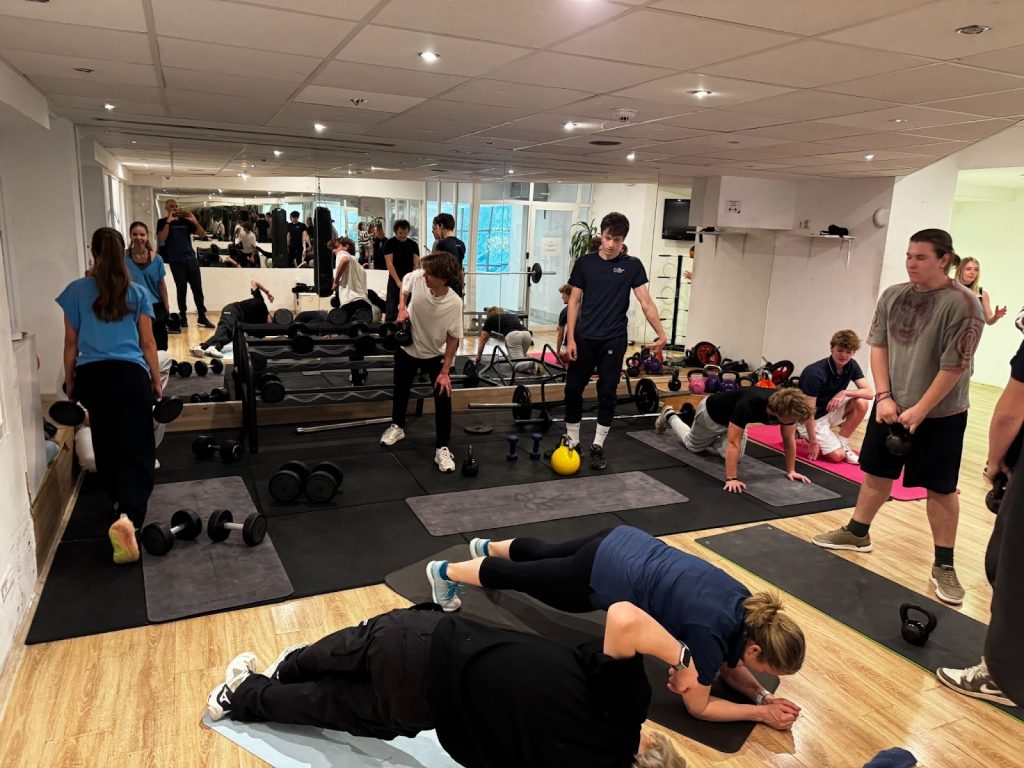
On the third day of the collaborative science project, the focus for the day was on the body and physical exercise. We began the day by going to the gym at Dom Vojske, stretching and warming up on the Main Floor of the Gym before moving on to do several activities (exercises), including push-ups, lunges, and planks, to ensure that our bodies were prepared for the physical demands of the day ahead.
After the warmup, we went downstairs to the bowling alley to do group exercise activities. We spent time switching between playing squash and table tennis so that everyone was constantly moving in the groups. Squash required us to have speed and quick reactions, while table tennis required more coordination and control. Changing the groups between these two activities made the session more dynamic and competitive.
Later in the day, after we had an opportunity to play tennis and paddle tennis on the PMYC tennis courts, we enjoyed the fresh air outside. Although there was a lot of physical activity taking place during each session (and outside for tennis and paddle tennis), we particularly enjoyed all the physically challenging activities at the PMYC tennis courts! Overall, the day was very physically active and very interesting for everyone!
Day 4 – Food & Nutrition
On day four we had to participate in an entertaining, friendly competition.
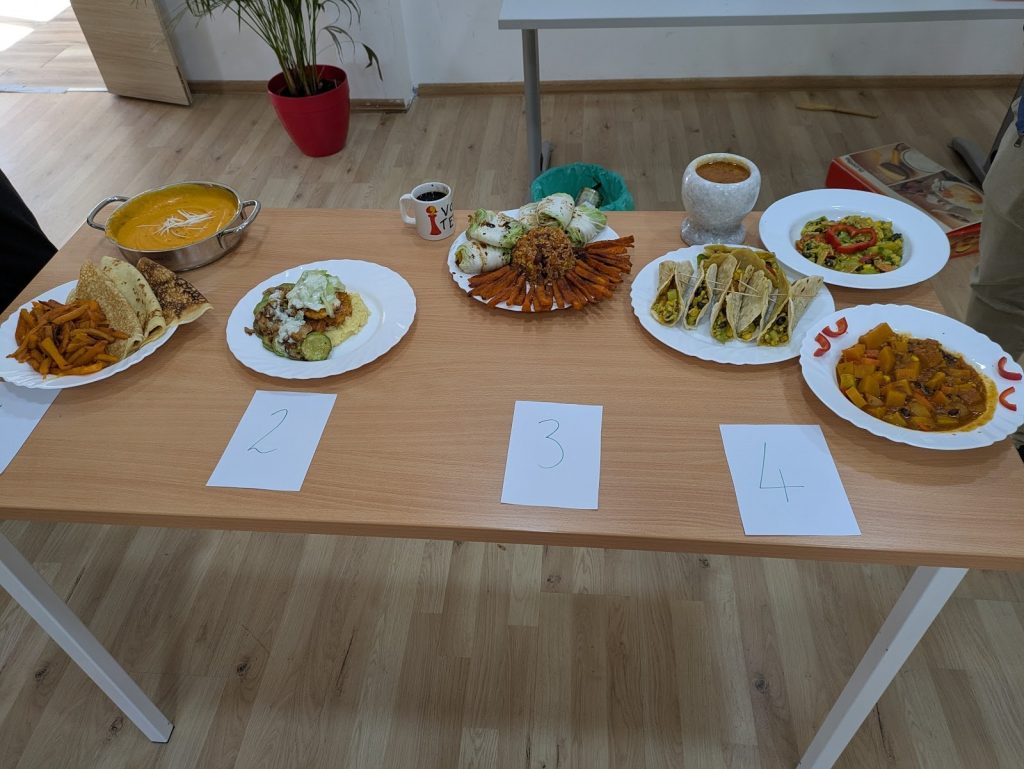
We were given instructions to make a dish with the three ingredients that we picked out from mystery bags. Then, using additional supplies that we were given to share, such as spices and grains, we had to get creative and come up with unique recipe ideas. The goal was to impress the judges, you could do so by succeeding across the four categories that were selected for us. Presentation, nutritional value, taste and variety. It was very entertaining, working as a team in order to create something, the competitive aspect motivated us to do our best. By the end of the challenge, each team had to present their product. Everyone did an amazing job, producing various delicious meals. After a fair trial, the winner was selected. It was a great day, which ended with us getting to enjoy all of the food that we prepared!
Day 5 – The Collaborative Science Products
Discovery Week is a time when students in Year 12 are involved in a Collaborative Science Project on healthy living in the Balkans. The project is related to one of the United Nations’ Sustainable Development Goals, which is Goal 3: Good Health & Wellbeing, and its aim is to assist people to live a healthy lifestyle.
The class was tasked with creating a digital project to be presented to the school community. We had to design a project on healthy living, using science, and integrate at least two of the sciences, including biology, chemistry, physics, sports science, and environmental systems science.
Students worked on projects about muscles and how energy is produced in our bodies, as well as the science of exercise, movement, and nutrition. All projects demonstrated the link between different aspects of science to help us live a healthy lifestyle.
Discovery Week proved that science is not just about theory, but also about making decisions for a healthy lifestyle.
We would like to extend a special congratulations to all the Year 12 students who participated in this year’s Discovery Week and the Collaborative Science Project. Not only did they fully engage in each day’s activities, but many also wrote their own reflections and summaries, sharing their personal experiences and insights. Their enthusiasm, curiosity, and teamwork truly brought the project to life, and their contributions have made this report a vivid record of learning, growth, and the impact of applying science in real-world contexts. Well done to all the students — your effort, creativity, and dedication are truly inspiring! A special thanks goes to the students who authored the texts, for capturing the spirit of each day so brilliantly: Alex, Lucian, Nick, Katya, Anastas. Editorial Team, KSI NEWS